CFC Showcases Financing and Technical Expertise at UN Expert Group Meeting on Food Stockholding Mechanism for LDCs
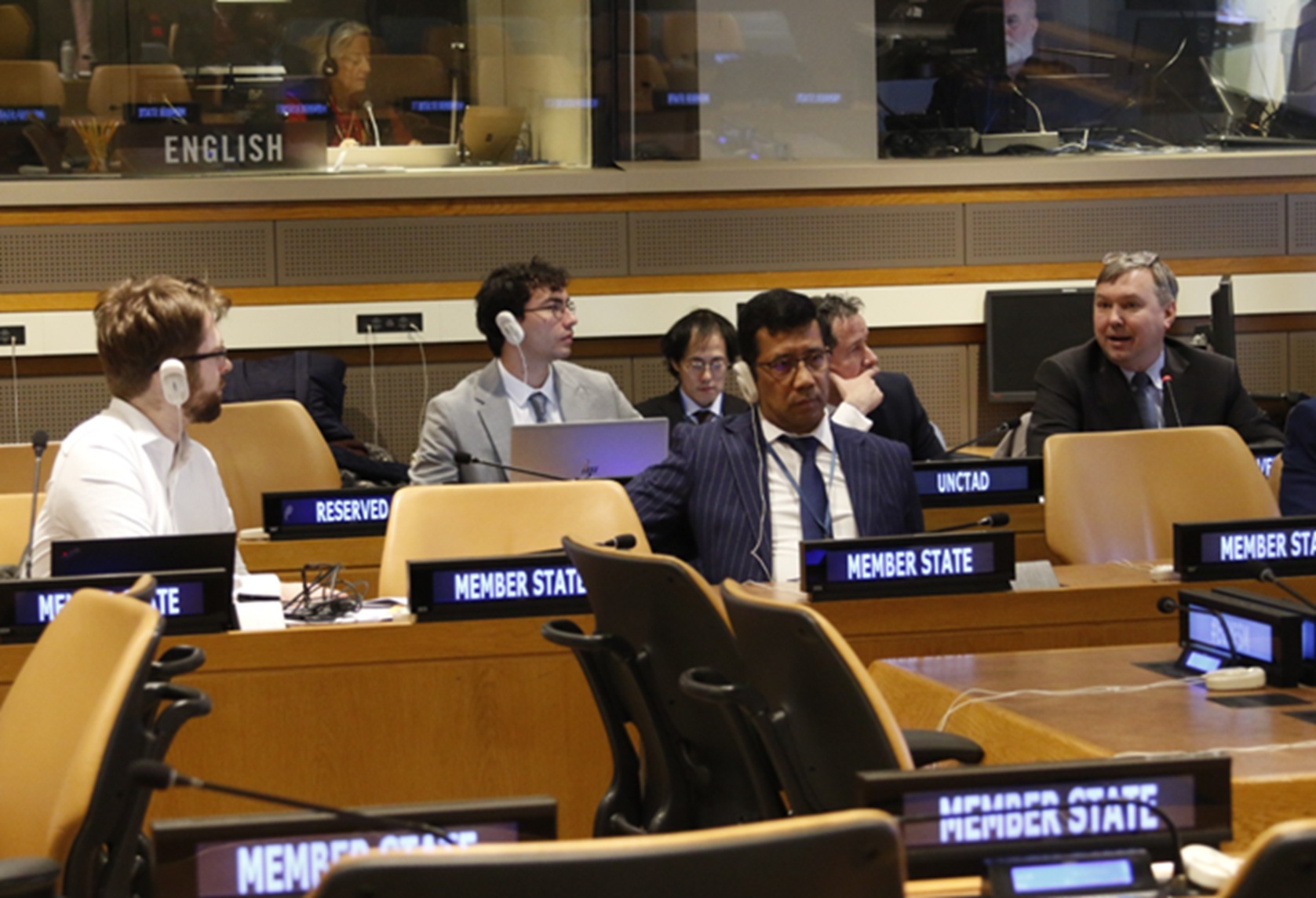
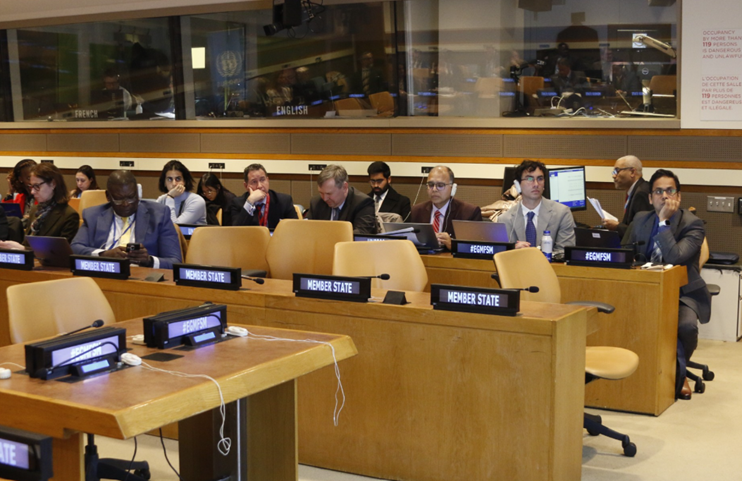
Amsterdam / New York, February 2026 – The Common Fund for Commodities (CFC) participated in the United Nations Expert Group Meeting on the Operationalization of the Food Stockholding Mechanism (FSM) for Least Developed Countries (LDCs), held on 4–5 February 2026 at UN Headquarters in New York.
CFC was represented by Mathias Cooman, Impact Strategy Officer, who attended in person, while Andrey Kuleshov, Chief Strategy Officer, participated virtually. The meeting, convened by the UN Office of the High Representative for the Least Developed Countries, Landlocked Developing Countries and Small Island Developing States (UN-OHRLLS), brought together experts to advance the design of a Food Stockholding Mechanism aimed at strengthening food security across LDCs.
During the discussions, the CFC expressed its readiness to contribute both technical expertise and fund management capabilities to support the development and implementation of the FSM. In particular, the organization highlighted its ability to structure and manage blended finance solutions and outcomes-based financing instruments, including Development Impact Bonds, tailored to support food security interventions.
Drawing on its experience as an international impact investing institution, the CFC emphasized three key areas where it can add value to the FSM:
- Warehouse Receipt Systems and Structured Trade: Supporting the development of reliable storage, certification, and commodity-backed financing systems to improve food stock management and reduce losses.
- Blended Finance Solutions: Mobilizing public, private, and philanthropic capital through structured investment vehicles to finance storage infrastructure, logistics, and emergency response mechanisms.
- Results-Based Financing: Designing performance-linked instruments such as Development Impact Bonds to strengthen accountability, incentivize delivery, and ensure measurable outcomes.
The CFC underscored that effective food stockholding mechanisms must be tailored to country-specific realities, including differences in institutional capacity, market structure, and food security risks. The organization also highlighted the importance of crowding in private sector participation, supported by transparent governance, robust risk management frameworks, and investable financing structures.
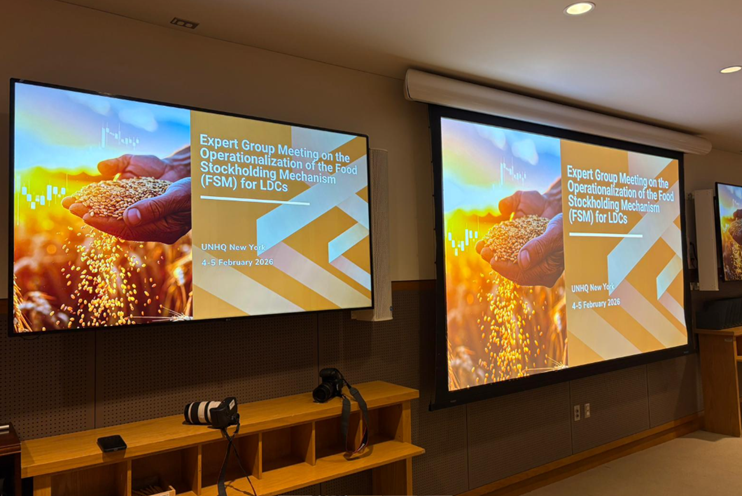
The FSM feasibility study—currently under development as part of the Doha Programme of Action for LDCs (2022–2031)—aims to explore how regional and sub-regional mechanisms combining physical and virtual food stocks can enhance resilience to supply shocks and price volatility.
“CFC stands ready to support the FSM with practical, implementation-oriented solutions that combine financing innovation with on-the-ground market expertise,” said Mathias Cooman. “By aligning public objectives with private capital and strong accountability frameworks, we can help build sustainable systems that improve food security outcomes in LDCs.”
The CFC’s participation in the Expert Group Meeting reinforces its longstanding commitment to strengthening commodity value chains and supporting vulnerable countries in addressing structural food security challenges.
For media inquiries, please contact:
[CFC Media Relations Team]
[Email: managing.director@common-fund.org]
[Phone: +31 20 575 4949]