CFC marks 37 years as 82nd Executive Board advances new investment across commodity value chains
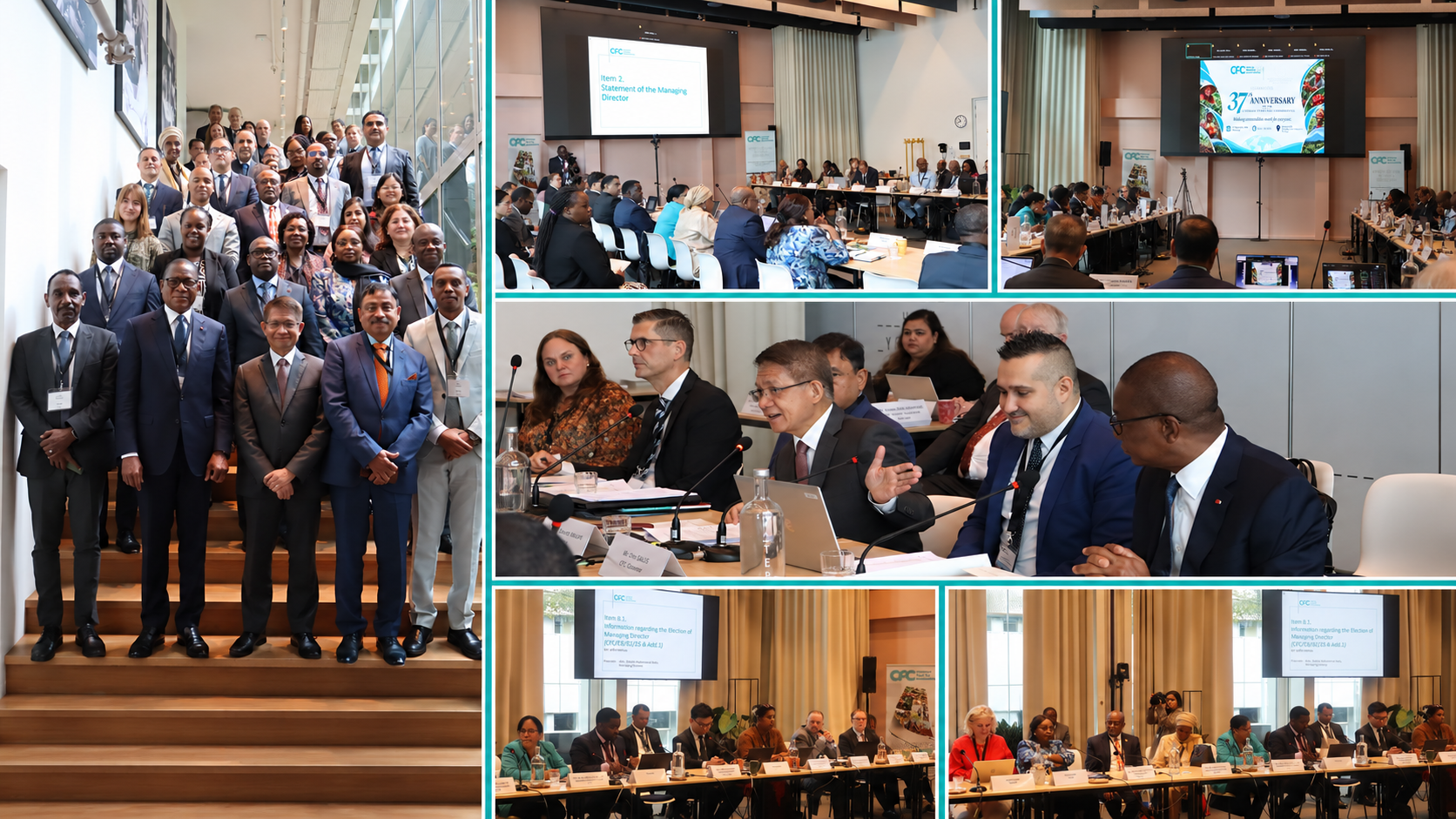
Amsterdam, 16 September 2026 — The Common Fund for Commodities (CFC) convened its 82nd Executive Board meeting on 16 September, bringing together representatives of Member States and institutional members to advance new investments, strengthen partnerships and discuss the CFC’s continued contribution to sustainable commodity development.
The meeting took place immediately after the CFC’s 37th anniversary on 15 September, marking 37 years since the establishment of the institution and providing an opportunity to reflect on its evolution and continued role in supporting commodity-dependent developing countries.
The meeting was attended by H.E. Mr. Bruno Nabagné Koné, Governor of the CFC for Côte d’Ivoire and Minister for Agriculture, Rural Development and the Production of Food Crops, who served as Guest of Honour. In his remarks, Minister Koné highlighted the importance of strengthening cooperation between Côte d’Ivoire and the CFC, particularly in supporting the sustainable development of the country’s cocoa sector and other commodity value chains.
“Côte d’Ivoire’s cocoa sector is central to our economy and to the livelihoods of millions of people. Strengthening our cooperation with the Common Fund for Commodities can help us unlock greater value for producers, support investment and promote more sustainable and inclusive commodity value chains. We look forward to deepening this partnership with the CFC in the years ahead.”
Reflecting on impact
The meeting was opened by H.E. Ambassador J. Eduardo Malaya, Chairperson of the CFC Executive Board, who reflected on his three-year tenure and on what development impact means in practical terms.
Drawing on his diplomatic work in The Hague with institutions focused on peace, justice and international law, Ambassador Malaya noted that the CFC’s work offers a particularly direct connection between multilateral cooperation and people’s everyday lives.
“The work with the CFC has nevertheless been uniquely rewarding and fulfilling because its results can be seen in everyday life. Here, multilateral cooperation can mean a farmer gaining access to affordable credit, a local enterprise buying from more producers, a woman earning an independent income, and a family being able to put food on the table.” — H.E. Ambassador J. Eduardo Malaya, Chairperson of the CFC Executive Board
Ambassador Malaya highlighted the impact of CFC-supported financing in the Philippines. CFC financing of USD 1.4 million helped support an innovative cocoa-finance company as part of a project valued at USD 11.6 million. Between 2020 and 2024, the number of smallholder beneficiaries grew from approximately 1,300 to more than 16,000, while the number of female clients increased from fewer than 400 to more than 15,000.
He also emphasised the importance of the CFC’s Humanizing Value Chains approach.
“Success cannot be measured solely by the volume traded or the capital invested. We must ask who retains the value, whose risks are reduced, whose incomes rise and whose future becomes more secure.”
As his three-year term as Chairperson comes to an end, Ambassador Malaya expressed his appreciation to Member States, Institutional Members, Executive Directors and Alternate Executive Directors, the Consultative Committee, partners and the communities served by the Fund.
“My formal tenure may conclude, but my commitment will not. Wherever my duties take me, and for as long as I am able to serve, I will remain a friend and advocate of the Common Fund for Commodities.”
Financing the SDGs
CFC Managing Director H.E. Ambassador Sheikh Mohammed Belal highlighted the wider financing challenge facing developing countries and the need to mobilise capital towards sustainable development.
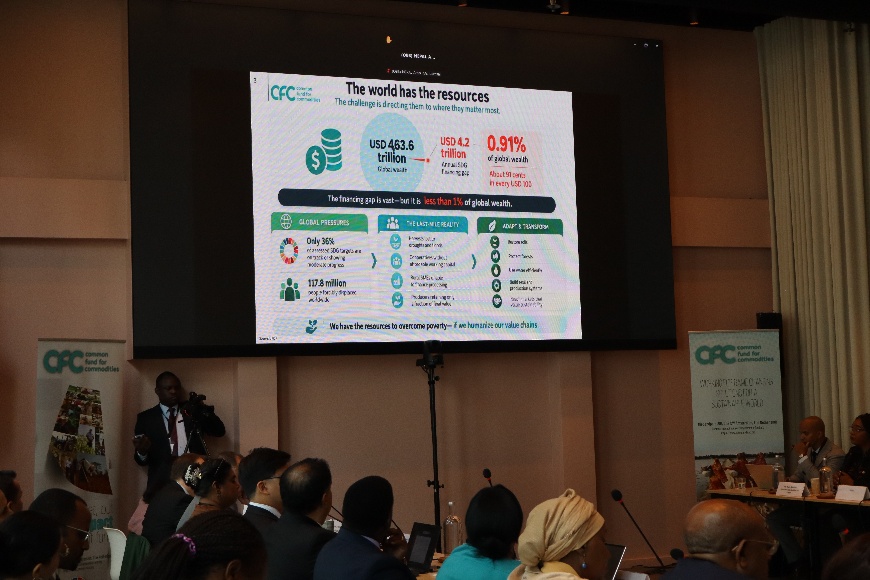
The annual financing gap for achieving the Sustainable Development Goals is estimated at approximately USD 4 trillion. Ambassador Belal stressed that closing this gap requires implementation of the Sevilla Commitment and continued reform of the international financial architecture.
“The annual SDG financing gap is estimated at about USD 4 trillion. Closing it through implementation of the Sevilla Commitment and reform of the international financial architecture is essential to overcoming poverty, hunger and deepening inequality.” — H.E. Ambassador Sheikh Mohammed Belal, Managing Director, CFC
He also highlighted the scale of global resources available to address the challenge, noting that closing the SDG financing gap would require mobilising less than one percent of global wealth.
The CFC’s contribution to this effort is through practical investment and technical assistance that can strengthen commodity value chains, support businesses and producers, create livelihoods and help translate international commitments into tangible development outcomes.
Member States share perspectives on commodity development
Following the Managing Director’s statement, the Executive Board heard a broad range of interventions from Member States, reflecting the diversity of experiences and priorities across the CFC’s membership.
Representatives from Cote d’Ivoire, Nepal, Gabon, Mali, Djibouti, Rwanda, Algeria, Burundi, Sri Lanka, Spain, Ethiopia, Kenya, Bangladesh, Sudan, Malaysia, Ghana, Tanzania, Uganda, Morocco, China and Cameroon shared perspectives on the CFC’s work and the role of commodity development in supporting sustainable and inclusive economic growth.
The interventions reflected the importance of continued cooperation between the CFC and its Member States, including on investment, technical assistance, value addition, agricultural development, market access, resilience and the mobilisation of finance for development.
The range of contributions also highlighted the different contexts in which commodity development takes place — from supporting smallholder farmers and agricultural enterprises to strengthening value chains, creating employment and addressing challenges in fragile and vulnerable settings.
The exchange reinforced the importance of the CFC’s Member State-driven approach and its role as a platform where countries can share priorities, experiences and perspectives on how commodity sectors can contribute to broader development objectives.
Executive Board approves 11 new project proposals
A central outcome of the 82nd Executive Board meeting was the approval of 11 project proposals, covering a broad range of commodities, countries and financing instruments.
The approved proposals span Africa, Asia, Latin America and the Middle East, and cover sectors including cocoa, coffee, tea, cashew, cotton, honey, horticulture, livestock, timber, dried fruits, legumes, pulses and seeds.
Among the projects is a proposal in Syria, which will support communities in restoring land affected by mines and rebuilding agricultural livelihoods. By helping communities restore productive land, the project seeks to support agricultural activity and enable families to return to livelihoods with greater security and dignity.
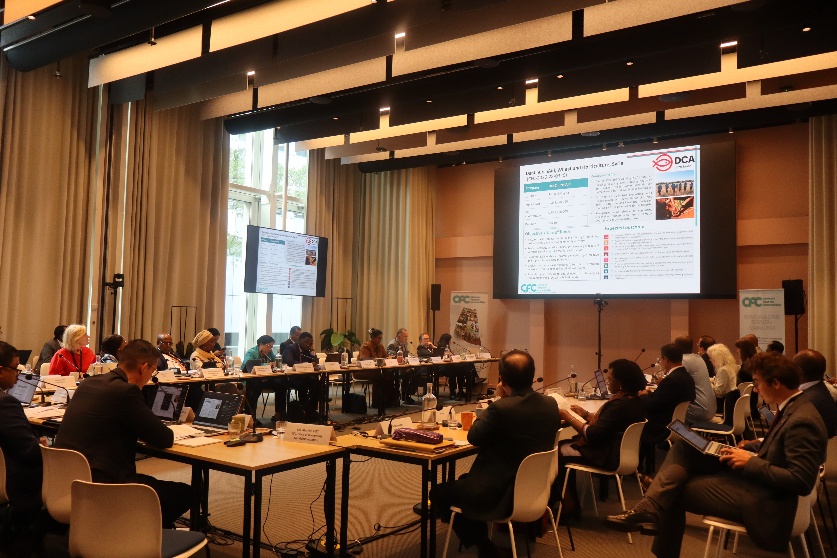
Of the 11 approved proposals, seven are being advanced through the CFC’s fast-track mechanism for financing ticket less than USD 500,000, with most supported through the CFC Graduation Fund, backed by the United Kingdom’s Foreign, Commonwealth & Development Office (FCDO).
Strengthening the institutional framework
The Executive Board also considered a range of institutional and governance matters, including the nomination and re-nomination of members of the CFC Consultative Committee, matters related to the election of the Managing Director, Executive Board matters, and the CFC’s accreditation.
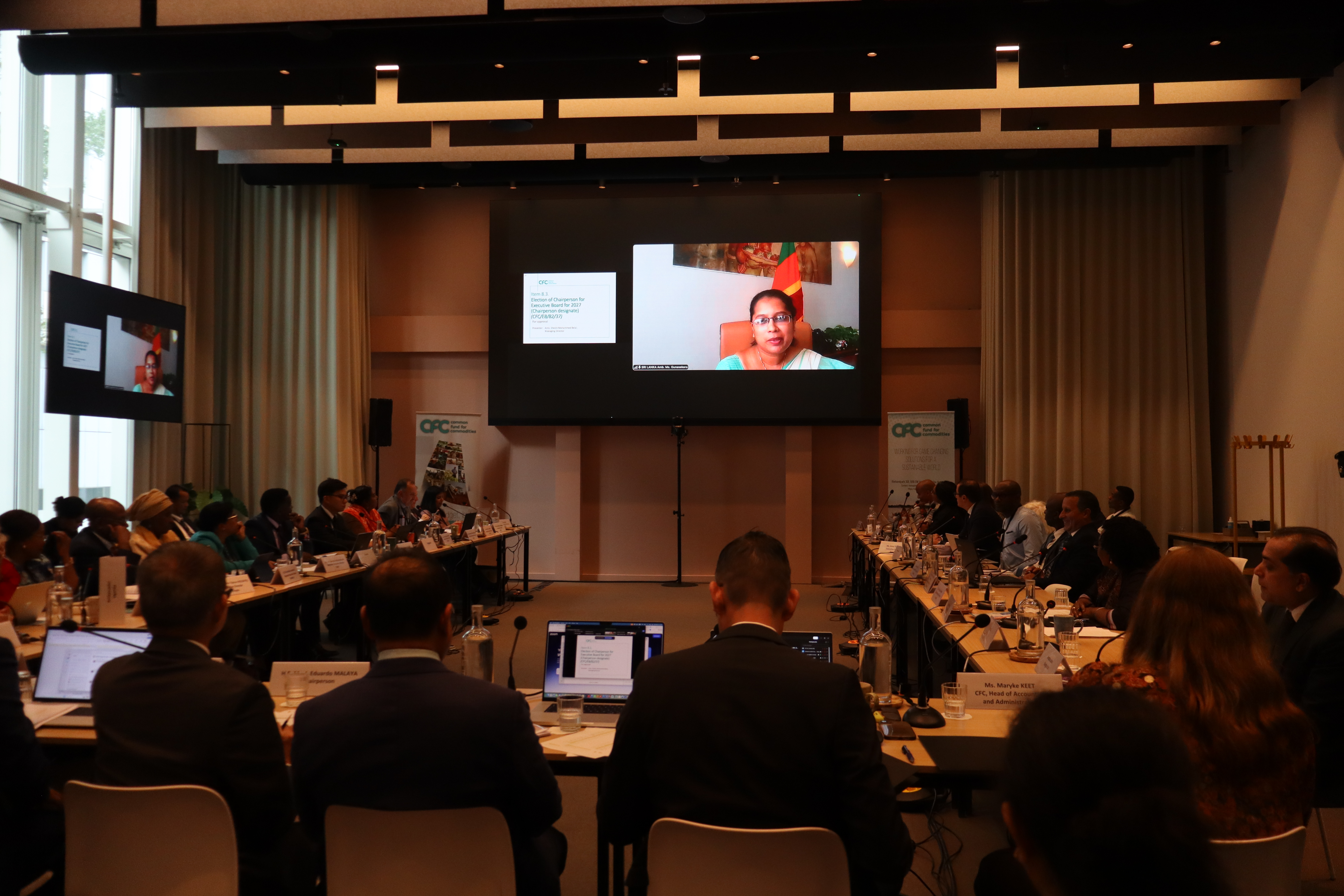
The Board also elected H.E. Ambassador Rekha Gunasekera, Ambassador of Sri Lanka to the Netherlands, as the new Chairperson of the CFC Executive Board.
Ambassador Gunasekera will succeed Ambassador Malaya, whose three-year tenure as Chairperson concludes this year.
The transition provides continuity as the CFC implements its Strategic Framework 2025–2035 and continues strengthening its role in mobilising investment for sustainable commodity development.
37 years of common action
The 82nd Executive Board meeting followed the CFC’s 37th anniversary on 15 September.
The anniversary provided an opportunity to recognise the institution’s journey since its establishment in 1989 following the work of the United Nations Conference on Trade and Development (UNCTAD), while also looking ahead to the CFC’s next phase.
CFC has continued to strengthen partnerships and unlock new sources of financing. Over the past two years, the CFC has mobilised approximately USD 80 million, expanding its capacity to support investment and technical assistance across commodity value chains.
As the CFC enters its 38th year, the decisions of the 82nd Executive Board reaffirm the institution’s focus on translating international commitments into practical investments and development outcomes.
From access to finance for smallholder farmers and local enterprises, to strengthening agricultural livelihoods and supporting value addition across commodity sectors, the CFC continues to work towards value chains that create opportunities and enable a greater share of value to reach the people and communities at their foundation.
About the Common Fund for Commodities
The Common Fund for Commodities (CFC) is a UN-affiliated international financial institution headquartered in Amsterdam. Established in 1989 following the work of the United Nations Conference on Trade and Development (UNCTAD), the CFC provides investment and technical assistance to support sustainable commodity development in developing countries.