CFC Side Event at GC37 Highlights Practical Solutions to Empower Smallholders and Build Climate-Resilient Commodity Value Chains
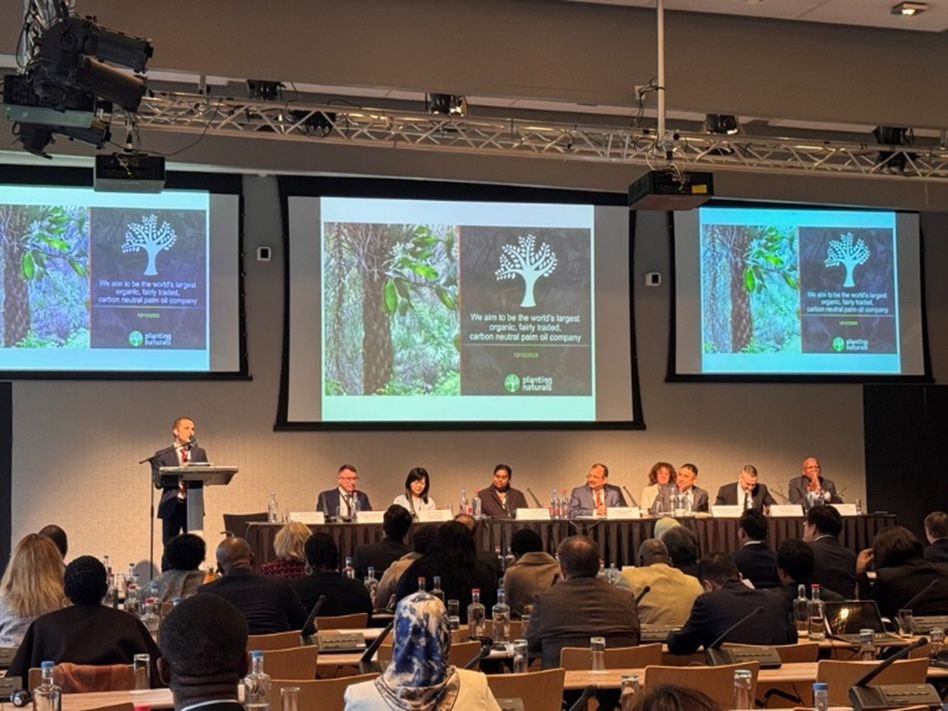
The Hague, 9 December 2025 — The Common Fund for Commodities (CFC) convened a high-level side event during the Thirty-Seventh Meeting of the Governing Council (GC37), bringing together senior policymakers, international organizations, financial institutions, academia, and private-sector representatives to advance practical pathways for poverty alleviation and inclusive, climate-resilient commodity value chains.
Held on 9 December 2025 at the Marriott Hotel in The Hague, the side event—titled “Best Practices in Poverty Alleviation: Empowering Smallholders to Drive Climate-Resilient and Sustainable Commodity Value Chains”—focused on translating global sustainability and regulatory ambitions into actionable, development-oriented solutions. Discussions centred on the realities faced by smallholders, who remain central to global food systems yet continue to face constraints related to finance, market access, traceability, and regulatory compliance.
The event was presided over by Ambassador Sheikh Mohammed Belal, Managing Director of the Common Fund for Commodities, who guided the discussions and interventions.
High-Level Contributions
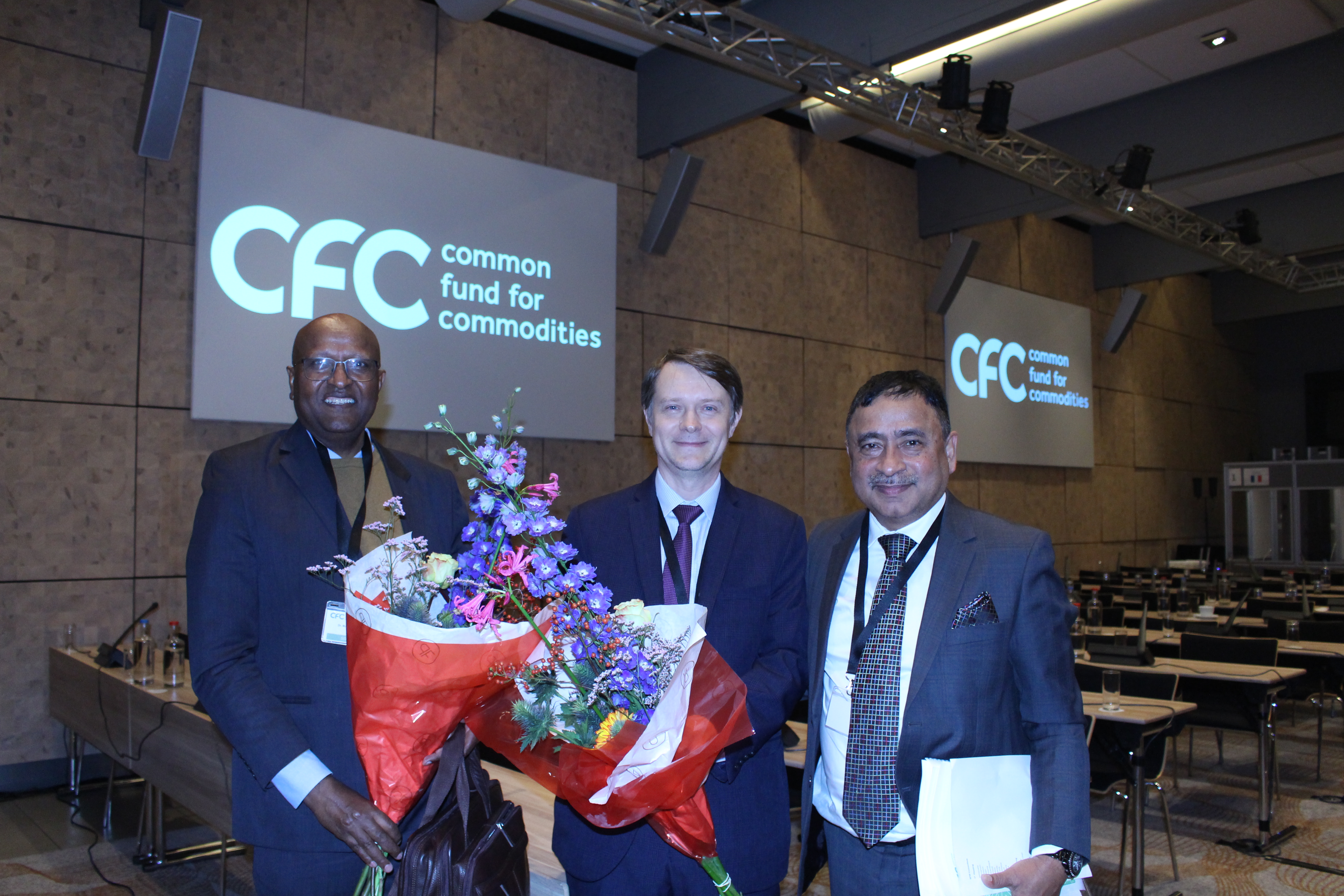
The side event featured a keynote discussion led by Dr. Mussie Delelegn, Head of the Productive Capacities and Sustainable Development Branch at UNCTAD, and Dr. Andrzej Bolesta, Senior Economic Affairs Officer at UNCTAD. Their interventions emphasized the central role of productive capacities in driving structural economic transformation, particularly in commodity-dependent economies endowed with natural capital.
The discussion highlighted the importance of capturing and reinvesting commodity rents, applying effective policy sequencing, and leveraging comparative advantages to overcome development constraints. Strong institutions, adequate infrastructure, and an active private sector were identified as essential enablers of value addition, resilience, and sustainable growth.
High-level national perspectives were provided by:
- Mr. Henrique Choer Moraes, Deputy Head of Mission, Embassy of Brazil to the Netherlands
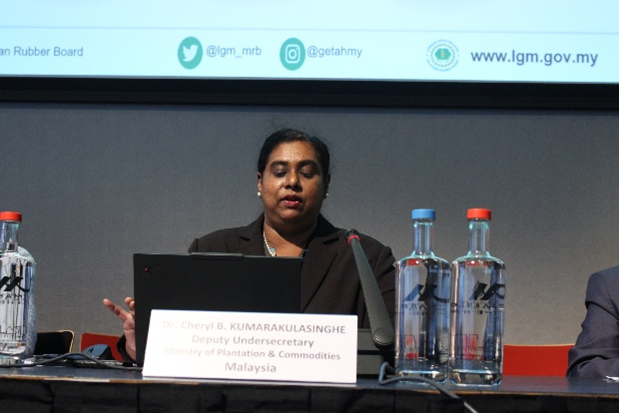
- Dr. Cheryl Barr Kumarakulasinghe, Deputy Undersecretary, Strategic Planning and International Division, Ministry of Plantation and Commodities, Malaysia
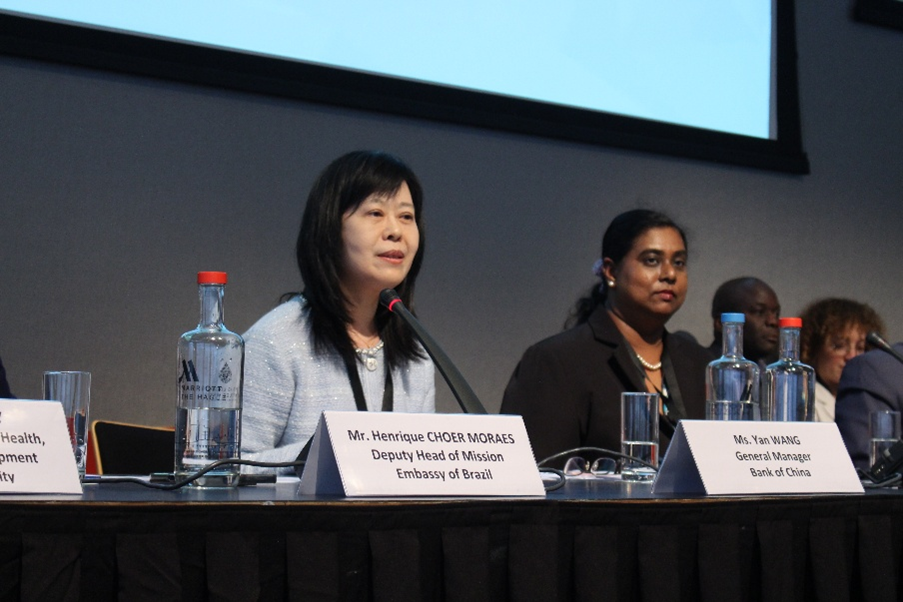
- Mrs. Wang Yan, General Manager, Bank of China (Europe) S.A., Rotterdam Branch, and Country Head for the Netherlands
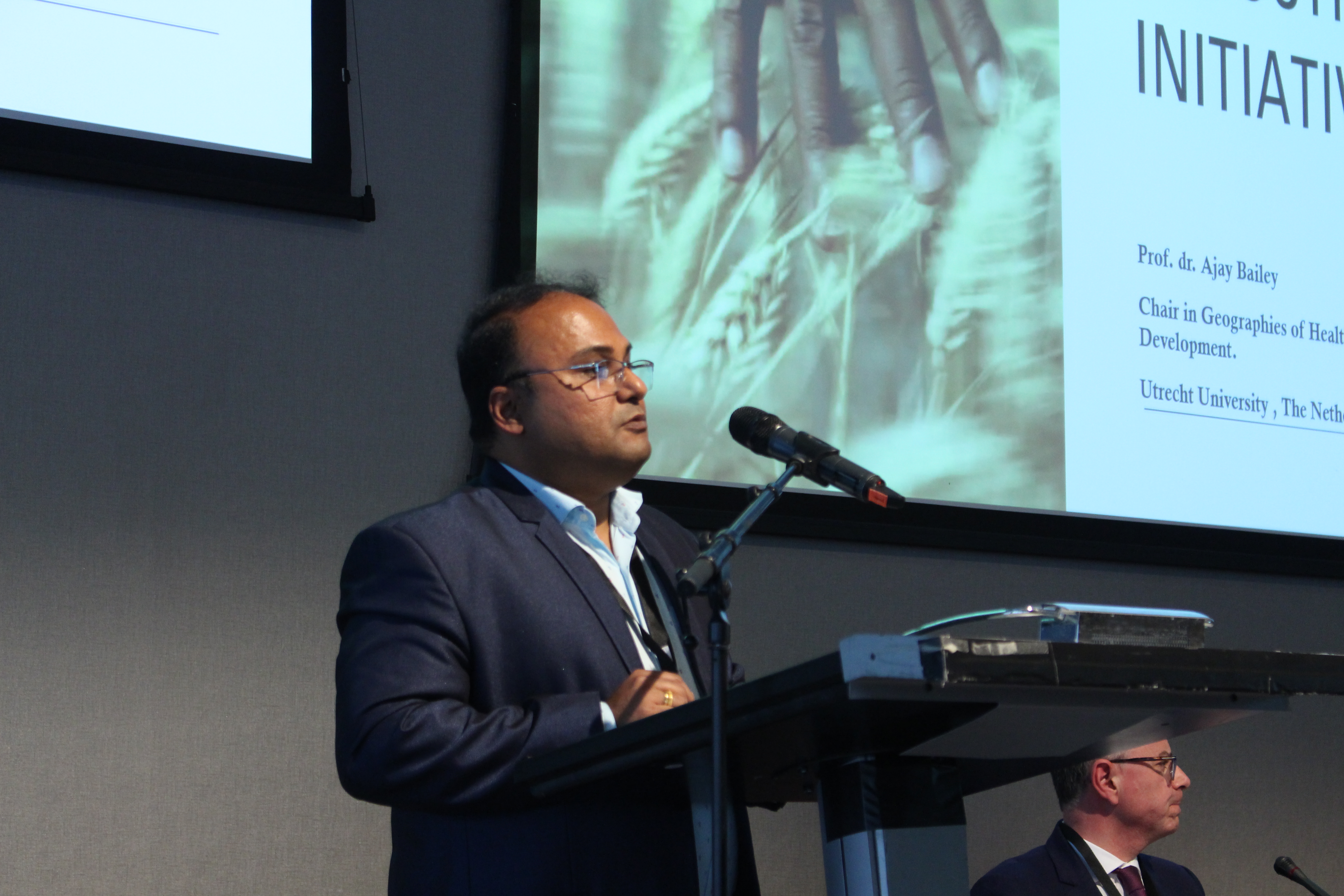
- Prof. Ajay Bailey, Chair in Geographies of Health, Inclusion, and Development at Utrecht University
Speakers stressed the importance of aligning sustainability frameworks with development realities, strengthening South–South cooperation, and mobilizing public and private finance to support smallholders’ transition toward resilient and sustainable production systems.
It was noted for the record that the pre-announced presentation by UNCTAD on the EUDR study was not delivered at the event, and it is hoped that it will be shared at a future occasion.
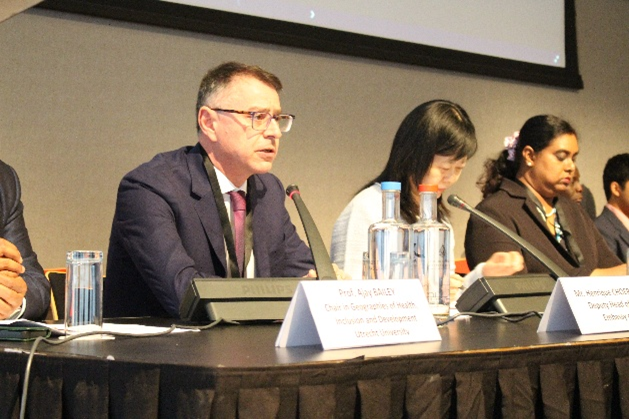
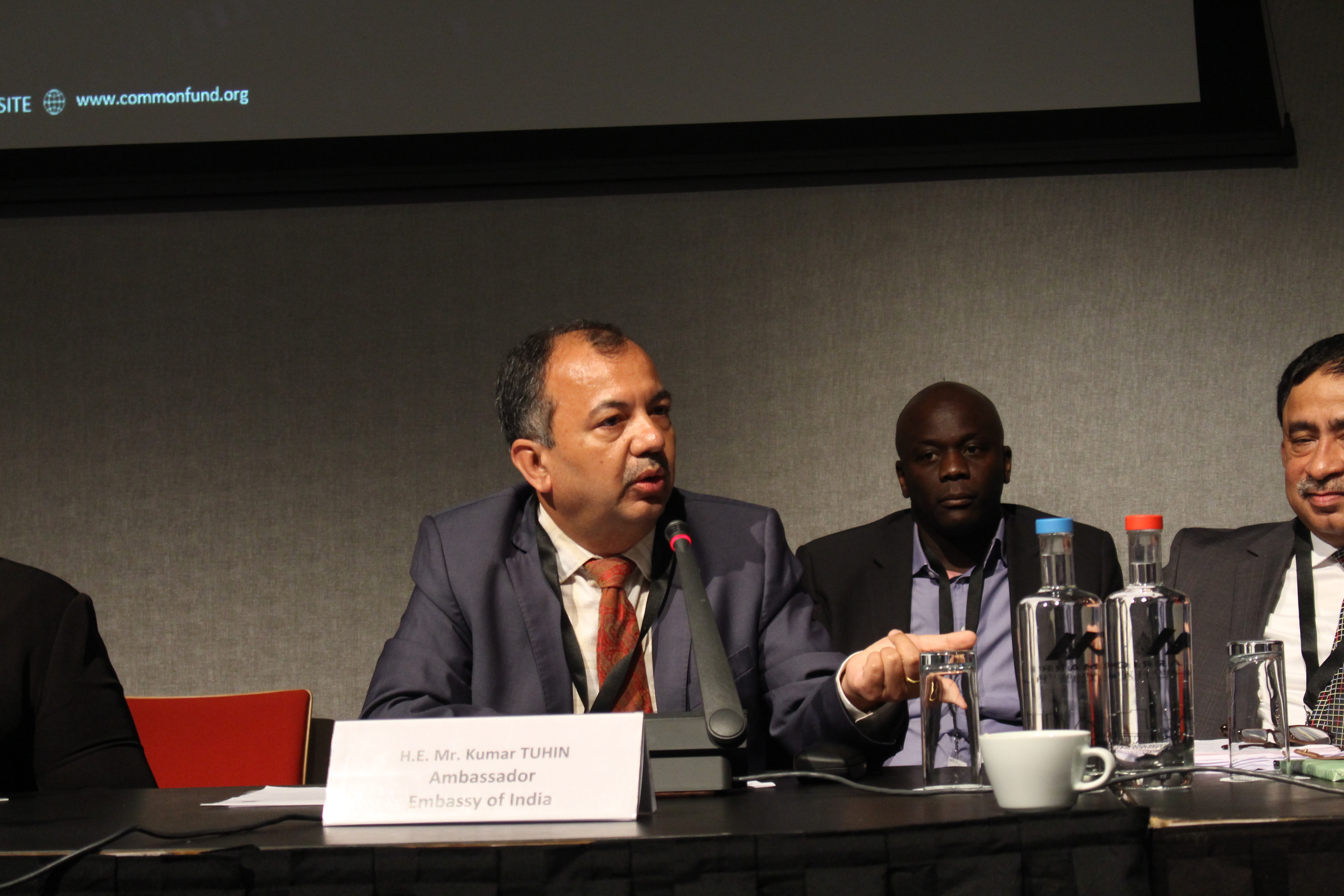
Introduced by H.E. Mr. Kumar Tuhin, Ambassador of India to the Netherlands, academic perspective provided by Prof. Ajay Bailey, Chair in Geographies of Health, Inclusion, and Development at Utrecht University, who underscored the importance of human-centred and inclusive approaches to resilience, equity, and long-term development outcomes.
Expert Insights and Project Experience
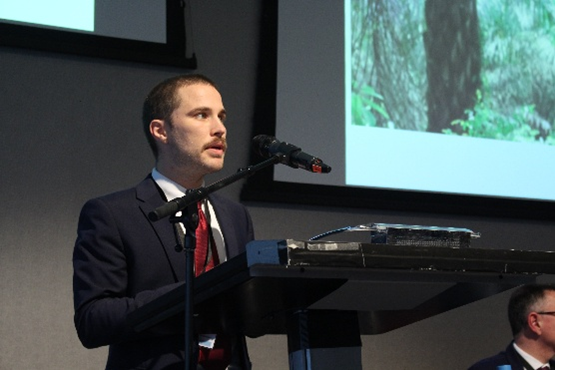
Practical project experience from the private sector was presented through remarks delivered by Mr. Peter Nielsen, Common Fund for Commodities, on behalf of Mr. Jan Hein de Vroe, Founder and Chief Executive Officer of Planting Naturals (Goldtree Ltd.). The intervention highlighted lessons from certified organic and fair-trade palm-oil production in Sierra Leone, including the role of inclusive outgrower systems, responsible supply-chain development, and innovative financing structures in improving smallholder livelihoods.
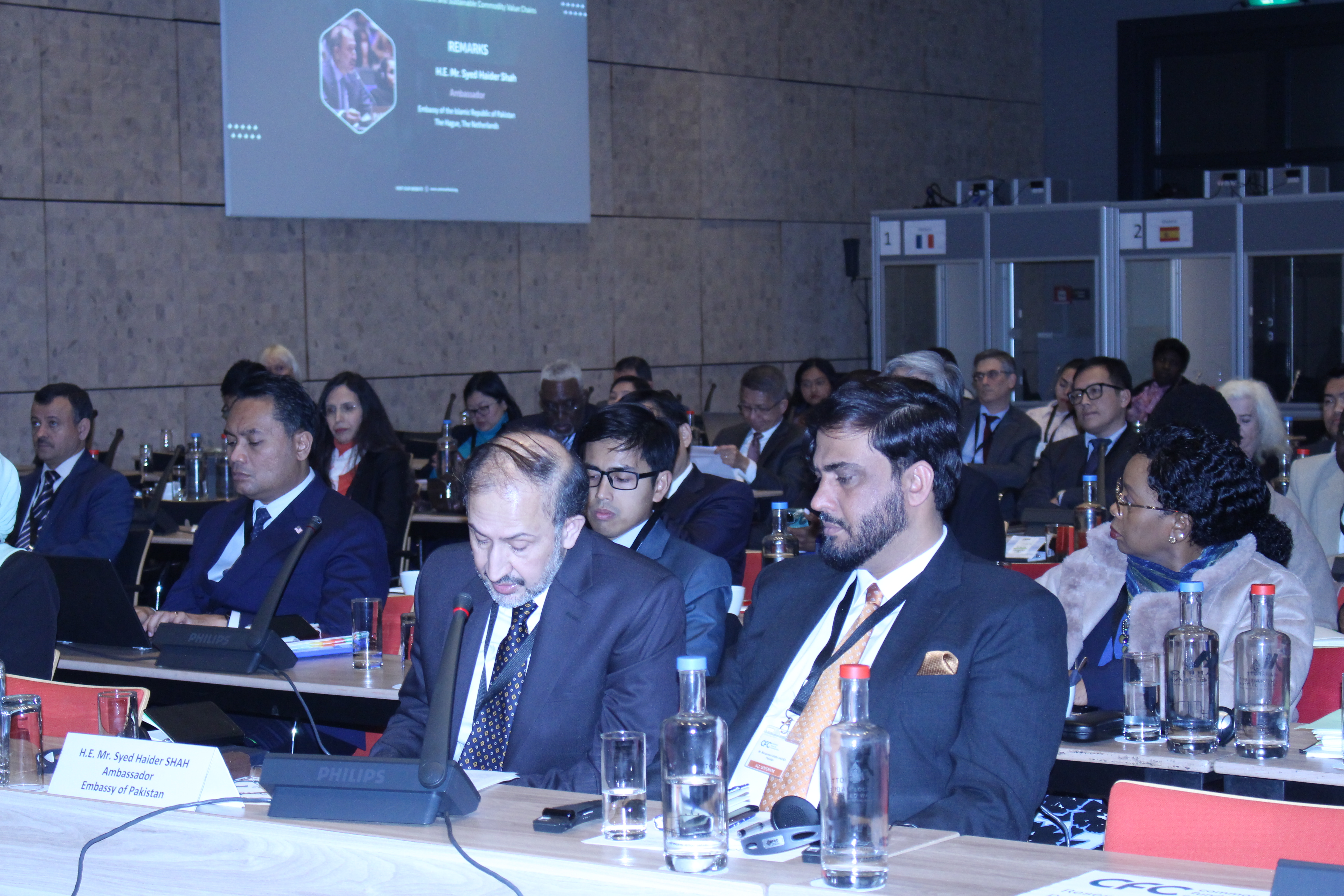
The event also featured remarks by H.E. Mr. Syed Haider Shah, Ambassador of Pakistan, who highlighted the importance of inclusive financing models and development-oriented partnerships in strengthening rural economies and supporting smallholders.
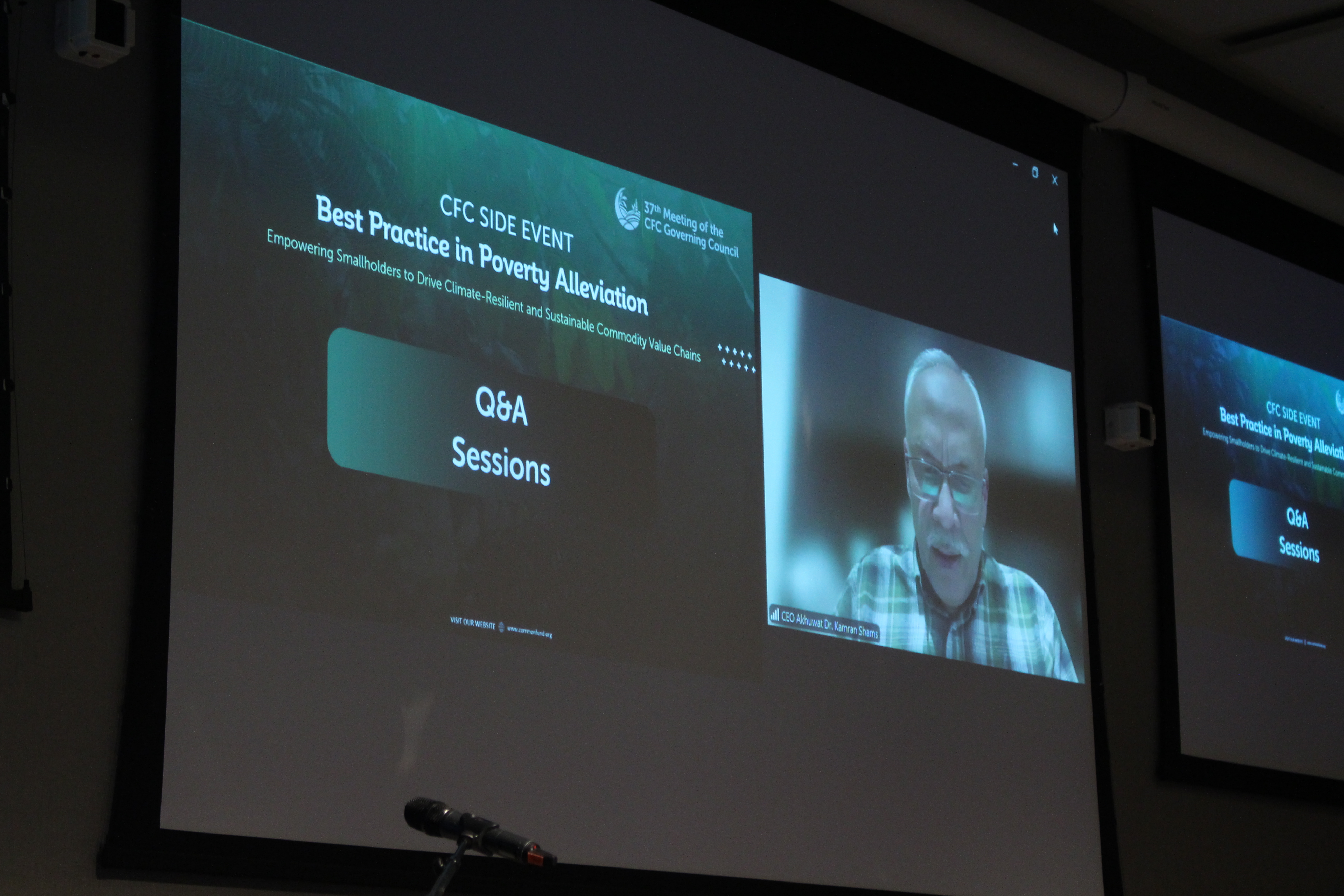
Introduced by the Ambassador, Dr. Kamran Shams, Chief Executive Officer of the Akhuwat Foundation, presented Akhuwat’s experience as the world’s largest interest-free microfinance institution, demonstrating how ethical, interest-free financing can support agriculture, micro-enterprises, and low-income households at scale, contributing directly to poverty alleviation and social inclusion.
Key Takeaways and Way Forward
Discussions throughout the side event converged on the need to move beyond compliance-driven approaches toward human-centred commodity value chains that ensure fairer income distribution, resilience to climate and market shocks, and long-term sustainability. Participants emphasized that smallholder inclusion is essential not only for poverty alleviation, but also for the stability and resilience of global commodity markets.
The side event concluded with a shared commitment to deepen collaboration among governments, development partners, financial institutions, and the private sector to scale up investment in inclusive and climate-resilient commodity value chains, ensuring that global sustainability frameworks translate into real opportunities for smallholders.